What is a Brazed Plate Heat Exchanger and How Does it Work?
Brazed Plate Heat Exchangers (BPHEs) are essential in modern thermal management systems. They efficiently transfer heat between fluids, minimizing energy losses. According to a report by the International Energy Agency, heat exchangers account for nearly 20% of industrial energy consumption. Their efficiency greatly impacts overall system performance.
BPHEs are compact and lightweight, making them suitable for various applications, including HVAC, refrigeration, and chemical processes. A report from MarketsandMarkets indicates the global market for heat exchangers is expected to reach $23.3 billion by 2025. This growth emphasizes the importance of technologies like BPHEs in achieving energy efficiency.
While BPHEs offer many advantages, they are not without challenges. Proper installation and maintenance are crucial for optimal performance. Users must be aware of potential fouling and pressure drop issues. A lack of understanding may hinder the efficiency of the system. It’s essential to critically assess operational conditions to fully leverage the benefits of Brazed Plate Heat Exchangers.
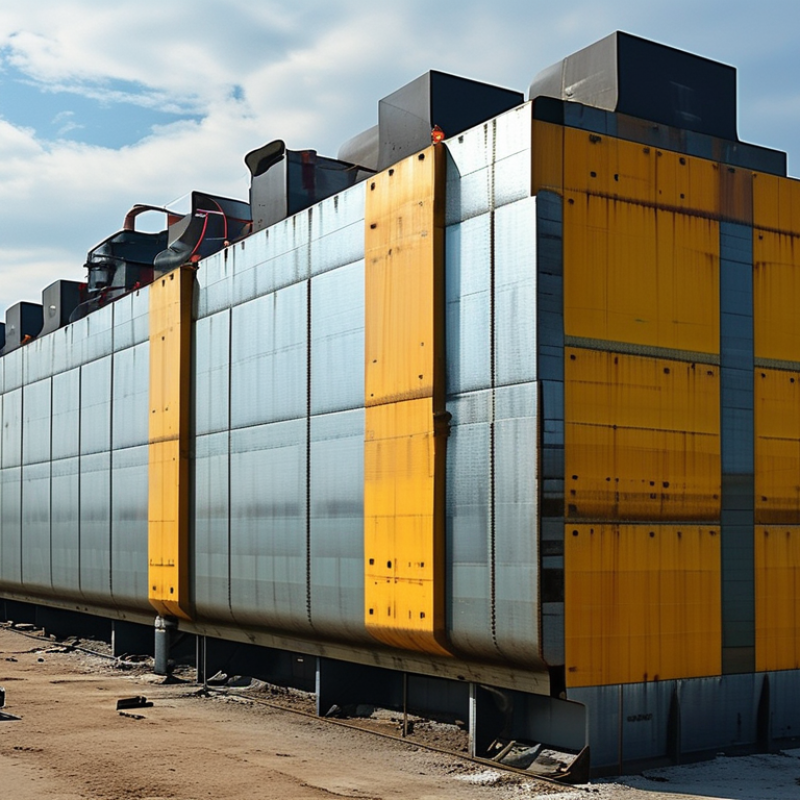
Understanding the Basics of Brazed Plate Heat Exchangers
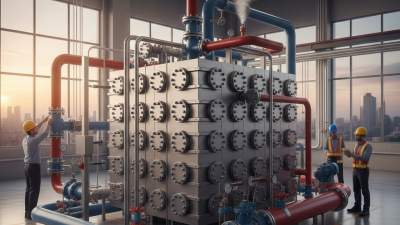
Brazed plate heat exchangers (BPHEs) are compact devices designed for efficient heat transfer. They consist of numerous thin plates stacked together and brazed, creating channels for the working fluids. These exchangers offer superior thermal performance due to their high surface area. This design maximizes the heat transfer efficiency.
Tips: Regular maintenance can enhance the lifespan of BPHEs. Inspect for leaks or blockages periodically. A small oversight can lead to larger issues.
Understanding their working mechanism is essential. Hot fluid flows through one channel while cold fluid moves through another. The two fluids never mix. The heat from the hot fluid transfers to the cold fluid, resulting in energy efficiency.
Tips: Ensure proper fluid compatibility to prevent corrosion. Using inappropriate fluids may lead to premature failure. Always consult with a professional if unsure.
The Structure and Components of Brazed Plate Heat Exchangers
Brazed plate heat exchangers are integral components in many industrial applications. They consist of multiple thin plates, stacked and sealed together, typically using a brazing technique. This design enhances heat transfer efficiency and reduces operational space. Each plate has a specific pattern to create channels for fluid flow, allowing heat exchange to occur efficiently.
The materials used in brazed plate heat exchangers are crucial. Stainless steel is commonly employed due to its resistance to corrosion and high temperatures. This choice ensures longevity and reliability in various environments. However, there are limitations. The design may sometimes restrict the flow rate, leading to pressure drops. Understanding the balance between efficiency and capacity is essential for effective application.
Another aspect worth considering is maintenance. Over time, the plates can accumulate deposits, affecting performance. Regular inspection is necessary to ensure optimal function. Users may overlook this, resulting in reduced effectiveness. Recognizing these factors can help users make informed decisions about their heating and cooling systems.
How Brazed Plate Heat Exchangers Operate Mechanically
Brazed plate heat exchangers (BPHEs) are efficient devices for thermal energy transfer. They consist of multiple thin plates, creating a compact structure. The plates are bonded using a brazing process, ensuring high strength and durability. This construction allows the exchangers to handle high pressure and temperature.
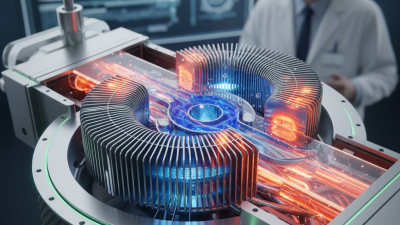
Mechanically, BPHEs operate by allowing two fluids to flow in separate channels. The design of the plates promotes turbulent flow, enhancing heat transfer rates. As fluids pass closely together in the channels, heat is exchanged efficiently. Space is a premium; these exchangers thrive in tight environments.
However, while BPHEs offer many benefits, they can be challenging to maintain. Accumulation of debris may occur in the channels, leading to reduced efficiency. Regular inspections are necessary to identify potential issues. Understanding these mechanical operations helps operators recognize optimal performance and areas needing improvement.
Advantages of Using Brazed Plate Heat Exchangers in Various Applications
Brazed plate heat exchangers are increasingly popular across various industries due to their numerous advantages. These compact units are designed for high efficiency in heat transfer. The unique brazing process allows them to withstand high pressures while minimizing the potential for leaks. This feature makes them ideal for both industrial and commercial applications, from HVAC systems to refrigeration.
One significant advantage is their small footprint. They require less space compared to traditional heat exchangers, making them perfect for tight installations. Additionally, they exhibit excellent thermal performance, resulting in reduced energy consumption. This efficiency is crucial for industries where energy costs are a major concern. Their resistance to corrosion also extends their lifespan, which can lead to lower maintenance costs over time.
Tips: When choosing a brazed plate heat exchanger, consider the specific fluids and temperatures involved. Ensure compatibility to maintain efficiency and safety. Regular checks can prevent unexpected failures. Keep in mind that while these units offer many benefits, proper installation and skilled operation are essential for optimal performance. An oversight in setup can negate their advantages.
Maintenance and Care for Brazed Plate Heat Exchangers
Brazed plate heat exchangers are known for their efficiency and compact design. However, maintenance is crucial to ensure longevity and optimal performance. Regular inspections can help detect issues early. This step is vital to avoid costly repairs later.
Cleaning is another essential part of maintenance. Over time, scale and debris can accumulate inside the plates. This buildup reduces efficiency and can lead to overheating. Using the correct cleaning solutions is important. The pH level of the cleaning agent should be carefully monitored. A miscalculated pH can damage the exchanger.
Monitoring fluid levels also plays a critical role. Low levels can cause the system to run dry, leading to potential failures. Implementing a routine check on pressure and flow rates can identify irregularities. This proactive approach helps maintain heat transfer efficiency. Sometimes, operators overlook simple details like these. Yet, they can significantly affect overall system health. Emphasizing these points can prevent major issues down the line.