Best Heat Exchangers for HVAC Systems in 2026 What to Consider
The role of heat exchangers in HVAC systems is crucial. They facilitate efficient energy transfer, ensuring optimal indoor climates. In 2026, selecting the best heat exchanger for HVAC requires careful thought.
When evaluating options, consider efficiency ratings, material quality, and design. Heat exchanger HVAC choices vary widely, each with unique advantages. Some models provide excellent heat transfer but may lack durability. Others offer longevity but might not perform well in certain conditions.
It’s essential to reflect on what suits your needs. A balance between cost and performance is often elusive. The marketplace is flooded with options, but not all are ideal. Hence, informed decision-making is vital to maximize system performance and energy savings.
Types of Heat Exchangers Suitable for HVAC Systems in 2026
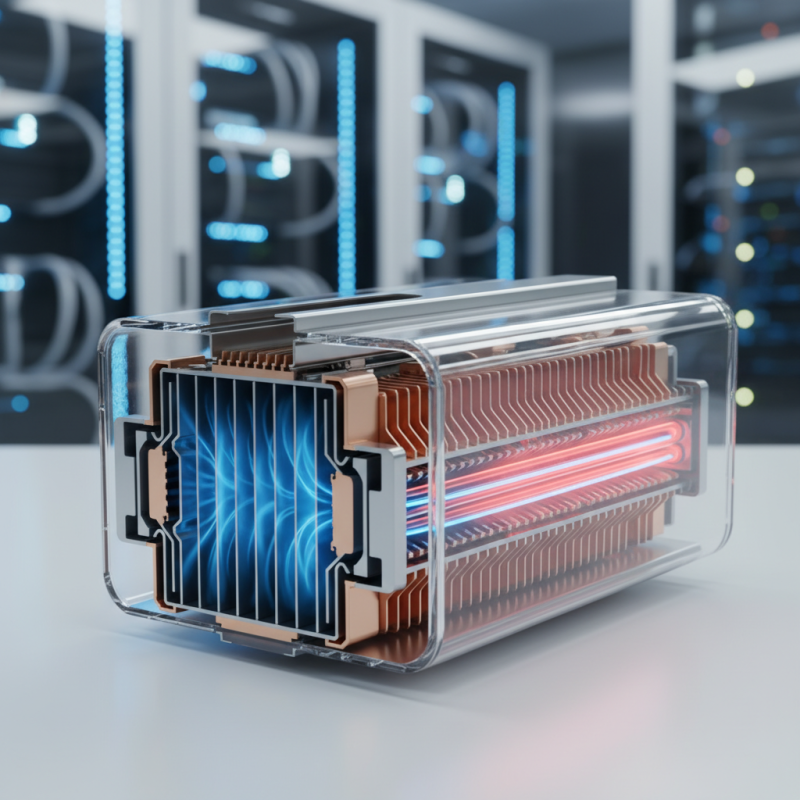
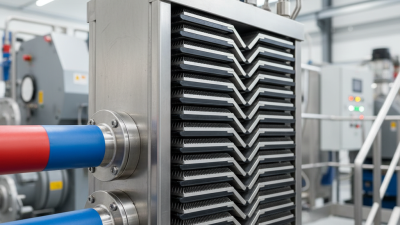
When considering heat exchangers for HVAC systems in 2026, understanding the types available is essential. Plate heat exchangers are popular. They are efficient and compact, making them ideal for residential and commercial systems. Their design allows for easy maintenance and cleaning, ensuring long-term reliability.
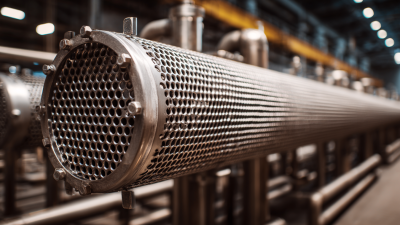
Another option is shell and tube heat exchangers. These are often used in larger systems. They handle high pressures and temperatures effectively. However, they can take up more space and require careful installation. It’s also worth noting that they may need more frequent maintenance checks.
Air-to-air heat exchangers are gaining traction, too. They recover energy from exhaust air and use it to precondition incoming air. This can significantly reduce energy costs. However, they may not always perform well in extreme climates, which is a point of concern. It's crucial to evaluate your specific needs and the environment before making a choice.
Key Performance Metrics for Selecting Heat Exchangers
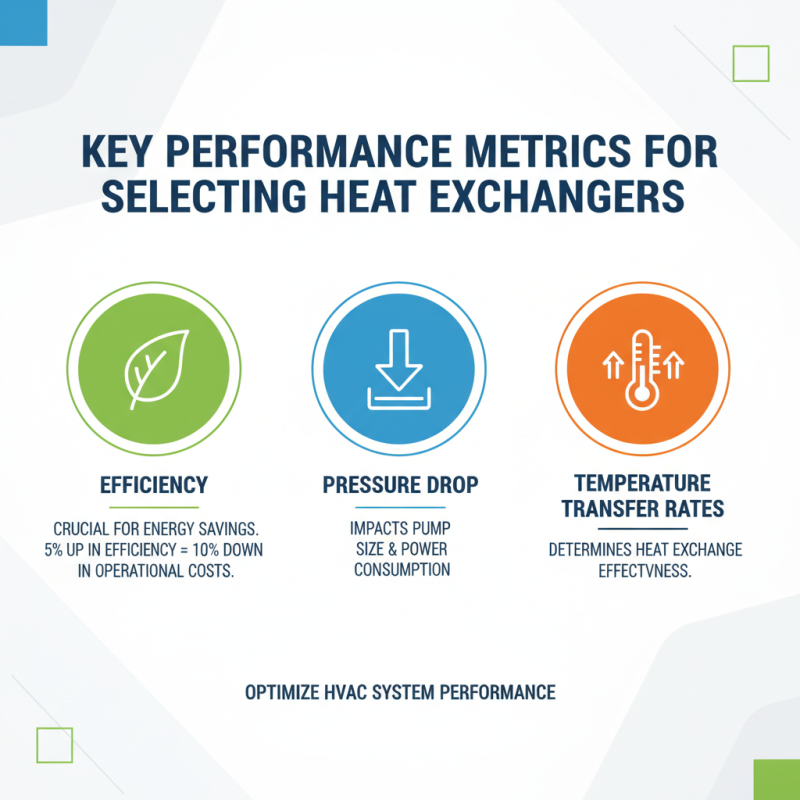
When selecting heat exchangers for HVAC systems, it’s crucial to consider performance metrics. Efficiency, pressure drop, and temperature transfer rates are critical factors. According to industry reports, a heat exchanger’s efficiency can significantly affect energy consumption. A mere 5% increase in efficiency can lead to a 10% reduction in operational costs.
Pressure drop is another vital aspect. High-pressure drops reduce the system's overall performance. Studies reveal that optimizing pressure drop can lead to energy savings of up to 15%. This is particularly important in large commercial systems.
Tips: Always assess the specific needs of your system. Analyze the operating conditions first. Consider the materials used in construction. Corrosive environments necessitate specific materials to avoid failures. Lastly, regularly review the performance data of your heat exchangers. Adjustments based on real-time data can prevent inefficiencies.
Identifying the right metrics and understanding your requirements can be challenging. Many systems face performance issues due to overlooked details. In some cases, operators may prioritize initial costs over long-term savings. This can lead to higher energy consumption that goes unnoticed. Prioritize metrics that align with your operational goals.
Materials and Design Considerations for Durability and Efficiency
When choosing heat exchangers for HVAC systems, materials and design play a crucial role. Copper, aluminum, and stainless steel are common choices. Copper is known for its excellent thermal conductivity. However, it can be prone to corrosion over time. Stainless steel offers durability but may not transfer heat as efficiently. Aluminum strikes a balance, providing good conductivity and lower weight, yet it can be less robust in harsh environments.
Design elements also significantly impact performance. Finned designs improve heat transfer by increasing surface area. However, they may accumulate dust and debris, which reduces efficiency. Users must think about maintenance and cleaning. Compact designs save space, but they can lead to overheating if airflow is restricted. An optimal design should ensure adequate airflow while maintaining a compact footprint.
Each material and design presents unique challenges. It's essential to reflect on the environment where the heat exchanger will be used. High humidity or corrosive atmospheres could shorten lifespan. Balancing efficiency, durability, and maintenance requirements is vital for long-term success. Careful consideration can prevent costly replacements and ensure optimal performance in HVAC systems.
Energy Efficiency Standards and Regulations Impacting HVAC Heat Exchangers
The energy efficiency of HVAC systems is increasingly influenced by evolving standards and regulations. In 2026, the focus will be on optimizing heat exchangers. A recent report from the U.S. Department of Energy indicated that HVAC systems account for nearly 50% of energy consumption in residential buildings. This highlights the crucial role of effective heat exchangers in improving overall efficiency.
Regulatory bodies are tightening energy efficiency standards. The implementation of more stringent guidelines aims to reduce greenhouse gas emissions. Many manufacturers are already adjusting their designs to comply with these upcoming norms. For instance, a study published in the Journal of HVAC&R Research noted that higher efficiency ratings can lead to energy savings of 15% to 30% annually. However, some outdated systems may struggle to meet these new requirements.
As HVAC professionals prepare for these changes, the market might face challenges. Some older heat exchangers lack the technology to achieve compliance. This may force businesses to undertake costly upgrades. Making informed choices about heat exchanger technology is critical. Investing in higher efficiency models may have upfront costs. However, these investments can yield significant long-term savings. As energy trends evolve, staying updated is essential.
Best Heat Exchangers for HVAC Systems in 2026
| Model |
Type |
Efficiency Rating |
Material |
Application |
Estimated Cost |
| Model A1 |
Plate |
92% |
Stainless Steel |
Residential |
$800 |
| Model B2 |
Shell and Tube |
90% |
Copper |
Commercial |
$1500 |
| Model C3 |
Air-to-Air |
95% |
Aluminum |
Industrial |
$2000 |
| Model D4 |
Coil |
88% |
Copper |
Residential |
$600 |
Future Trends in Heat Exchanger Technology for HVAC Applications
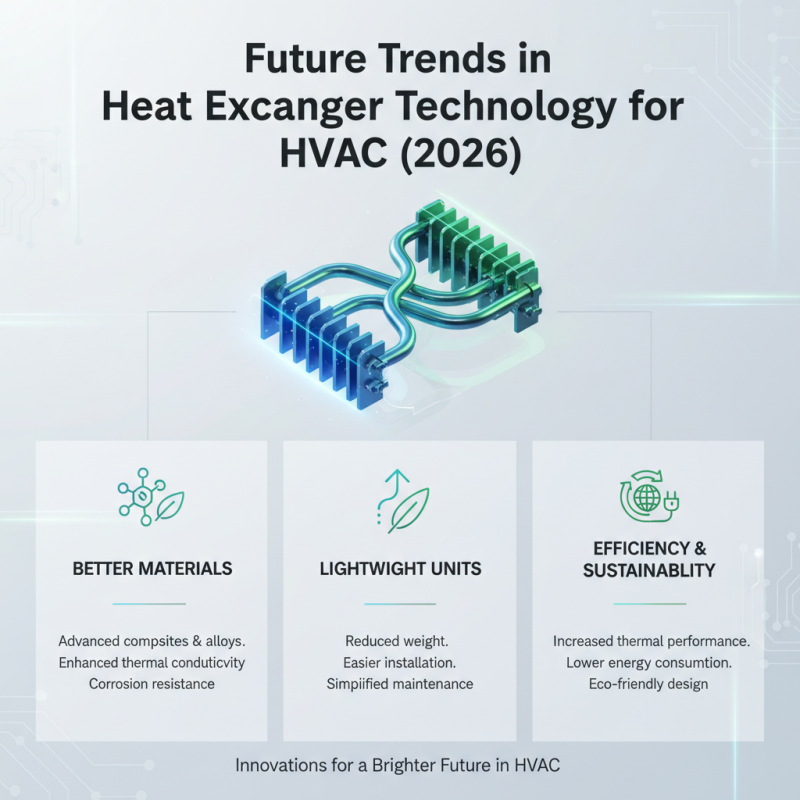
The future of heat exchanger technology for HVAC applications is bright. Innovations are emerging rapidly, transforming how we think about efficiency and sustainability. In 2026, expect to see heat exchangers designed with better materials. These materials will enhance thermal performance while reducing weight. Lightweight units will ease installation and maintenance, making them user-friendly.
Efficiency is a key focus. New designs are likely to feature enhanced surface areas to maximize heat transfer. Smaller, more compact models will also become prevalent. They will work effectively in tight spaces, catering to modern architectural demands. However, there’s a need to ensure that these advancements do not compromise durability. Some units may face wear and tear faster than traditional models.
The integration of smart technology is an important trend. Expect to see heat exchangers equipped with sensors. These sensors will monitor performance in real-time. They can provide valuable feedback, helping tune systems for peak efficiency. However, reliance on technology may pose challenges. A single point of failure could disrupt operations. Understanding these potential risks is crucial for effective implementation in HVAC systems.