What are the Benefits of Plate Heat Transfer in 2026?
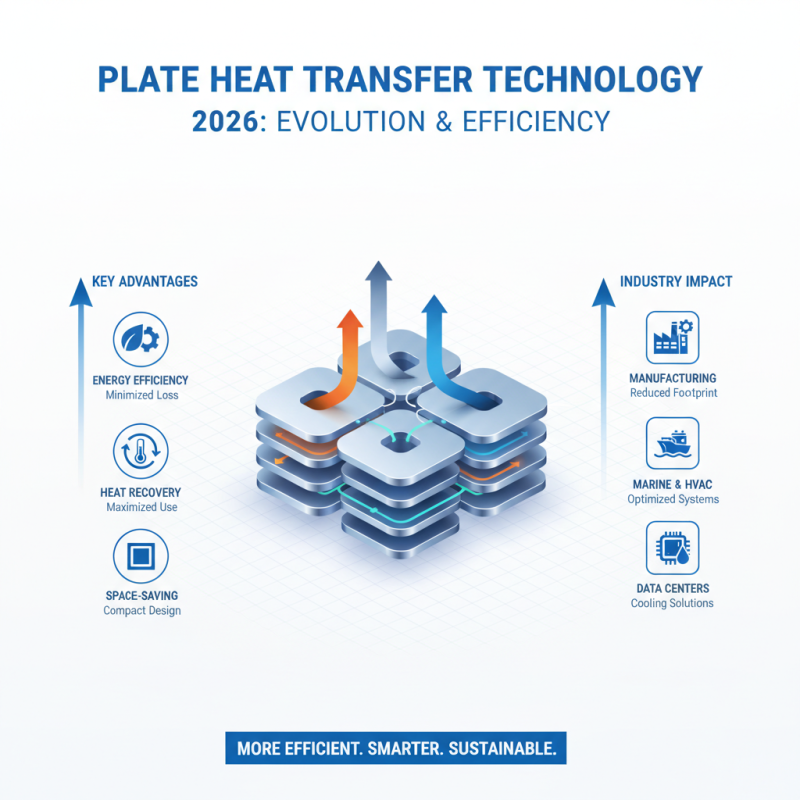
In 2026, Plate Heat Transfer technology stands out as a critical component of industrial efficiency. According to the Global Heat Exchanger Market Report, the demand for efficient heat transfer solutions has increased by 12% annually. Industries are prioritizing this technology due to its compact design and energy efficiency.
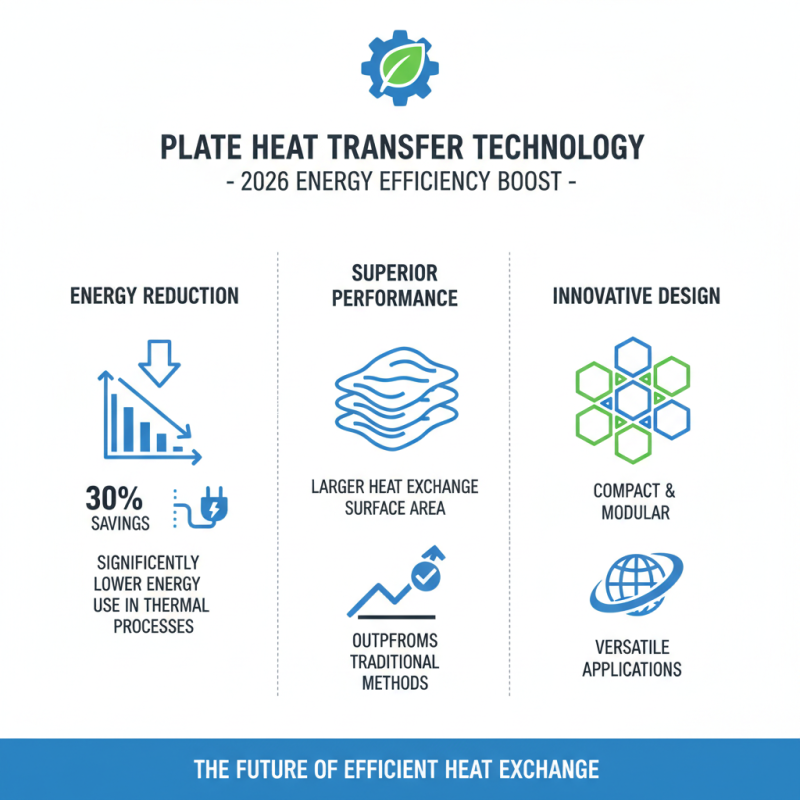
Plate Heat Transfer systems maximize surface area, enhancing thermal performance. These systems are essential in sectors like food processing and chemical manufacturing. A recent study indicated that using plate heat exchangers can improve energy savings by up to 30%. However, some companies still rely on older systems, risking efficiency losses.
As industries strive for sustainability, Plate Heat Transfer is pivotal in minimizing energy consumption. Despite the advantages, challenges remain. Companies need to evaluate installation costs versus long-term benefits. Identifying specific applications for Plate Heat Transfer is crucial. This balance will shape the future of thermal technologies in various sectors.
Key Features of Plate Heat Exchangers in 2026
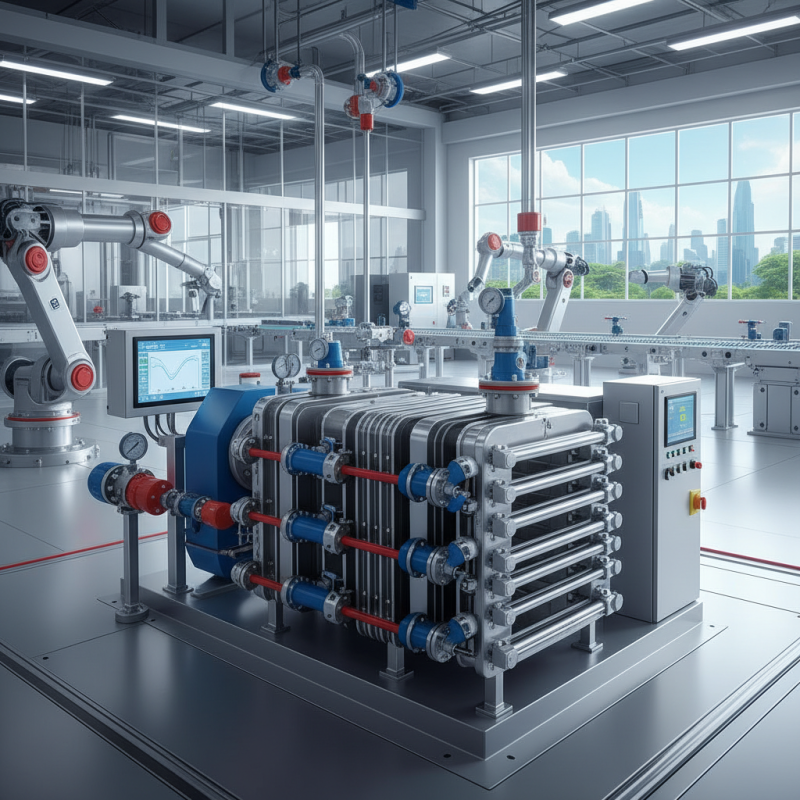
Plate heat exchangers (PHEs) are gaining traction in
2026 due to their compact design and efficient thermal performance.
These devices can offer heat transfer efficiencies up to
90% compared to traditional methods. Such efficiency is vital for industries
focusing on energy conservation. The design allows for high surface area in a small footprint,
which is crucial in urban environments where space is limited.
One of the key features of plate heat exchangers is their
easy maintenance. They can be disassembled for cleaning, which is necessary in
food processing and
chemical industries. According to recent industry reports, the demand for
easy-to-maintain systems has surged by
30% over the past year. Moreover, PHEs have a
lower refrigerant charge compared to shell-and-tube exchangers.
This can significantly reduce environmental impacts, aligning with sustainability goals.
Despite these advantages, there are challenges. The
susceptibility to corrosion and fouling in specific applications can be problematic.
In high-temperature or high-pressure scenarios, careful material selection becomes essential. Reports indicate that approximately
15% of users face performance issues due to these factors. It highlights the need for ongoing research
and development in this area to enhance the
durability and reliability of plate heat exchangers.
Environmental Benefits of Using Plate Heat Exchangers
The environmental benefits of using plate heat exchangers (PHEs) are significant and increasingly relevant. In 2026, industries are focusing on reducing their carbon footprints. PHEs can improve energy efficiency by up to 90%, according to a report from the International Energy Agency. With less energy consumption, companies reduce greenhouse gas emissions and contribute to a cleaner environment.
Plate heat exchangers also promote water conservation. These systems require less water compared to traditional exchangers, which can use 40% more. This reduction is crucial for areas facing water scarcity. Furthermore, PHEs can operate effectively with lower temperature differences. This leads to less energy waste and supports sustainability efforts.
However, the implementation of PHEs is not without challenges. They can be more expensive to install initially. This cost may deter some companies from making the switch. Additionally, the maintenance of these systems can be demanding. While they promise efficiency and environmental benefits, companies must weigh these factors carefully. The journey toward sustainability is complex, and choices require reflection and strategic planning.
What are the Benefits of Plate Heat Transfer in 2026? - Environmental Benefits of Using Plate Heat Exchangers
| Benefit |
Description |
Impact on Environment |
Energy Savings (%) |
| Increased Efficiency |
Plate heat exchangers offer a larger surface area for heat transfer, improving overall system efficiency. |
Reduces the carbon footprint by decreasing energy consumption. |
Up to 30% |
| Compact Design |
Their small size results in lower space requirements for installation. |
Minimizes land use and habitat disruption. |
N/A |
| Low Maintenance |
Plate heat exchangers are easier to clean and maintain compared to shell-and-tube designs. |
Promotes long-term efficiency with reduced resource usage in maintenance. |
N/A |
| Reduced Emissions |
By improving heat recovery, they can lead to lower emissions in heating and cooling systems. |
Aids in meeting environmental regulations and sustainability goals. |
Up to 25% |
| Versatility |
They can be used in various applications, including HVAC, food processing, and chemical industries. |
Promotes waste heat recovery and resource optimization. |
Varies by application |
Applications of Plate Heat Exchangers in Various Industries
Plate heat exchangers (PHEs) are increasingly utilized across various industries due to their efficient heat transfer capabilities. In 2026, the demand for PHEs is projected to grow significantly, with the market expected to reach $10 billion by 2027, according to recent industry reports. This rapid growth highlights their critical role in sectors like HVAC, food processing, and chemical manufacturing.
In the food processing industry, PHEs ensure that temperature-sensitive materials maintain their quality. They can handle high temperatures and pressures effectively. However, they require careful maintenance. Fouling can reduce efficiency, resulting in higher energy costs. Proper cleaning schedules are essential to prevent this issue. In the chemical sector, PHEs promote energy recovery. They can recover up to 90% of heat from processes, driving down operational costs. Yet, complexity in design can lead to challenges in installation and operation.
The oil and gas industry also benefits from PHEs. They transfer heat efficiently in risky environments. According to a survey, using PHEs can enhance thermal efficiency by up to 25%. Nonetheless, they may pose risks if not monitored properly. System failures could lead to serious environmental impacts. Therefore, safety measures and consistent checks are crucial for optimal performance in demanding applications.