Top 5 Benefits of Brazed Plate Heat Exchanger in 2026?
As industries evolve, the demand for efficient heat exchange solutions grows. One standout technology gaining traction is the Brazed Plate Heat Exchanger. This innovative device offers numerous advantages for various applications in 2026 and beyond.
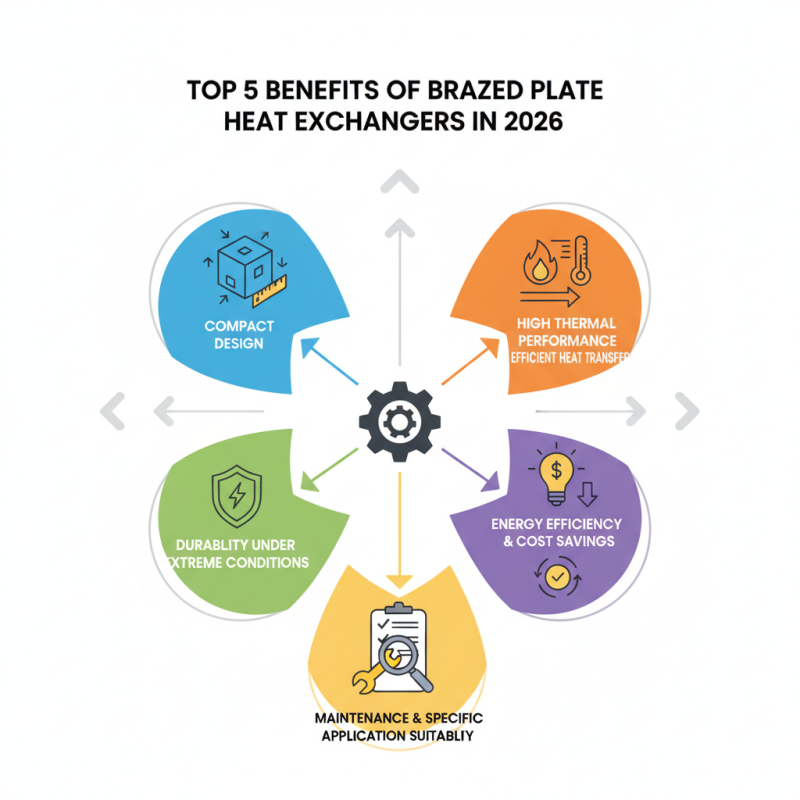
Brazed Plate Heat Exchangers are compact. They save valuable space, which can benefit industries where every inch counts. Their design allows for high thermal performance, ensuring optimal heat transfer. Importantly, they are highly durable, even under extreme conditions. However, one must consider maintenance aspects, as they require regular checks to ensure long-term performance.
Moreover, with increasing energy costs, the energy efficiency of Brazed Plate Heat Exchangers becomes a significant factor. These units minimize energy waste, offering cost savings. While they have many benefits, potential users should reflect on their specific needs. Not all applications may suit this technology perfectly. Thus, a clear understanding of one's requirements is essential.
Key Features of Brazed Plate Heat Exchangers in 2026
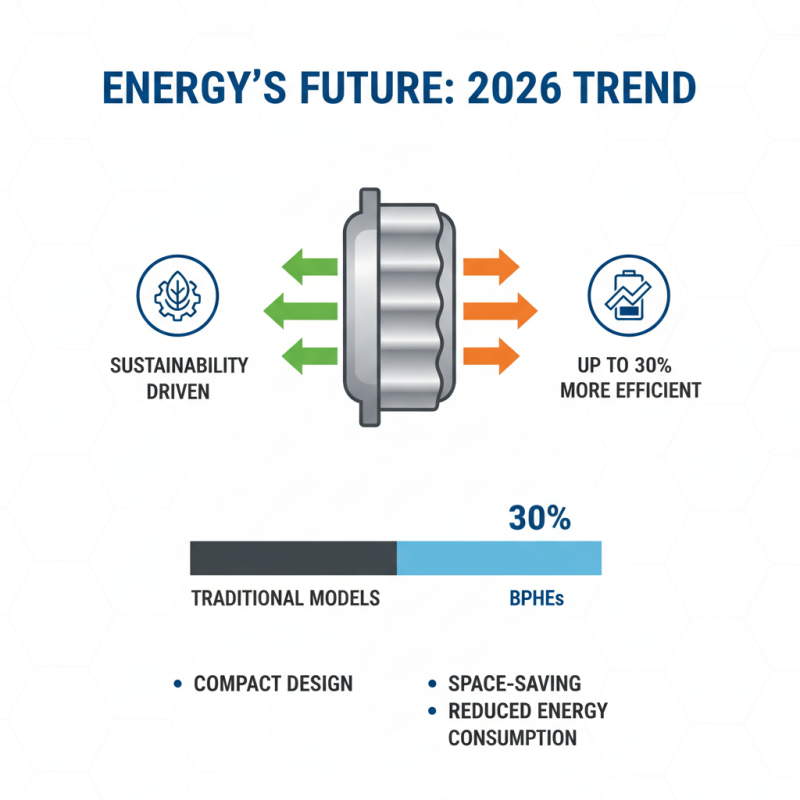
Brazed plate heat exchangers (BPHEs) are gaining attention in 2026 due to their efficiency. They feature a compact design, which saves space and energy. According to recent industry reports, BPHEs can increase thermal efficiency by up to 30% compared to traditional models. This efficiency is crucial in a world focused on sustainability.
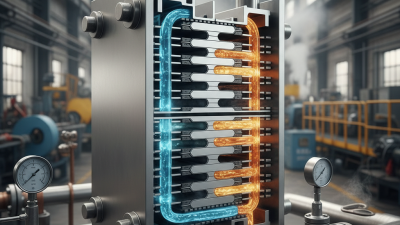
The unique construction of BPHEs utilizes thin metal plates fused together. This design allows for higher heat transfer rates. Reports indicate that the lightweight nature of BPHEs can reduce installation costs by 15%. However, users must ensure proper maintenance, as minor leaks can lead to significant performance losses.
Another notable aspect is their versatility. BPHEs can adapt to various applications, from HVAC systems to industrial processes. However, these exchangers can be sensitive to flow rates and temperatures. If not monitored closely, they may underperform. Regular assessments are essential to optimize their potential in different settings.
Enhanced Energy Efficiency: How They Reduce Consumption
Brazed plate heat exchangers (BPHEs) present significant advantages in energy efficiency. In 2026, their design maximizes thermal conductivity while minimizing pressure drops. This translates to lower energy consumption, which is vital as industries strive for sustainability. According to a recent industry report, BPHEs can reduce energy usage by up to 30% compared to traditional heat exchangers.
These units feature larger surface areas in compact designs. This allows for quicker heat transfer and reduced operating times. This efficiency could lead to considerable savings in energy costs. Nonetheless, improper installation or maintenance may undermine these benefits. It’s crucial to monitor system performance continually.
Additionally, heat exchangers improve overall system reliability. In high-demand applications, reliability is key. A malfunction can lead to increased downtime and costs. Reports indicate that systems incorporating BPHEs experience lower failure rates, thus enhancing operational lifespan. However, user training on best practices is often overlooked, resulting in missed efficiencies.
Compact Design Benefits for Industrial Applications
Brazed plate heat exchangers (BPHEs) are becoming increasingly popular in various industrial applications. Their compact design offers significant advantages. They occupy less space compared to traditional heat exchangers. This is crucial in industries where real estate is limited and costly. A compact unit can improve plant layout and efficiency.
Industry reports indicate that BPHEs can save up to 25% more space. In crowded settings, every inch counts. The smaller size also means reduced material costs for installation. The ease of integration into existing systems adds to their appeal. Compact designs help in optimizing performance levels while keeping energy consumption low. Often, businesses overlook these energy savings.
However, while BPHEs promise efficiency, there are challenges. Some users report difficulties with maintenance due to the design's complexity. It's vital to weigh the compact benefits against long-term operational needs. Regular inspection could become more cumbersome. Operators need to be prepared for this potential downside. A well-balanced approach will yield the best results in performance and maintenance.
Improved Durability and Longevity in Harsh Environments
Brazed plate heat exchangers offer remarkable durability and longevity, especially in harsh environments. These devices are engineered to withstand extreme temperatures and corrosive substances. Their robust design ensures they remain effective, even under challenging conditions. This reliability reduces downtime, benefiting industries that rely on uninterrupted operations.
Another essential aspect is the compact size of these heat exchangers. They occupy less space yet provide significant heat transfer capabilities. This feature is particularly valuable in facilities with limited installation space. However, it's crucial to regularly inspect them for any signs of wear. Routine maintenance can prevent unexpected failures and prolong their service life.
The construction of brazed plate heat exchangers uses high-quality materials, enhancing their resistance to chemical reactions. Nevertheless, the initial investment can be higher than traditional models. Companies must weigh short-term costs against long-term benefits. Finding the right balance is vital for making informed decisions about their use.
Cost-Effectiveness: Long-Term Savings and ROI Analysis
The cost-effectiveness of brazed plate heat exchangers (BPHEs) is gaining attention in 2026. Their design optimizes heat transfer, leading to lower operational costs. Users can expect significant long-term savings thanks to their efficiency.
Investing in BPHEs can yield a positive ROI. Initial costs may seem high, but savings accumulate over time. Reduced energy bills and lower maintenance costs are significant bonuses. This makes them an attractive choice for various industries.
Tip: Regular maintenance ensures maximum efficiency. Neglecting upkeep can lead to performance drops, negating savings.
Another consideration is system compatibility. Not all setups suit BPHEs perfectly. Evaluating specific needs is essential to avoid costly mistakes. Understanding the unique requirements of your process can prevent budget overruns.
Tip: Always seek expert advice before making a decision. Their insights could save you from potential pitfalls.