2026 Top Heat Exchanger Types for Global Buyers?
As industries continue to evolve, the demand for effective thermal management solutions grows. Heat exchangers play a crucial role in multiple sectors, including HVAC, chemical processing, and power generation. These devices are essential for transferring heat between two or more fluids. Selecting the right type can significantly impact energy efficiency and operational costs.
Various heat exchanger types cater to specific applications. For instance, plate heat exchangers offer compact designs. However, they may require meticulous cleaning and maintenance. Shell and tube heat exchangers are robust but can occupy considerable space. Understanding each type's advantages and limitations is vital for global buyers.
The year 2026 promises advancements in heat exchanger technology. Innovations focus on enhancing efficiency and reducing environmental impact. Buyers must stay informed about these trends. Reliable information and expert insights will guide effective purchasing decisions.
Types of Heat Exchangers: An Overview for Global Buyers
Heat exchangers are crucial in various industries, transferring heat efficiently between fluids. A recent market report projects the heat exchanger market will grow at a CAGR of 6.2% from 2022 to 2030. This highlights the increasing demand for energy efficiency and environmental sustainability. Different types serve varying functions, catering to distinct needs.
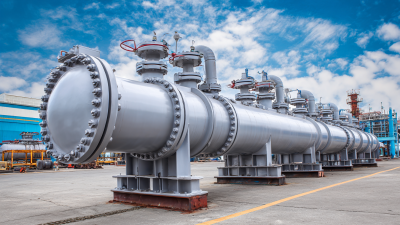
Air-cooled heat exchangers use air to dissipate heat. They are preferred for their low maintenance and reduced water consumption. On the other hand, shell and tube heat exchangers are prevalent due to their robust design and versatility. These units can handle high pressures and temperatures, making them suitable for chemical processing. However, their larger footprint can be a drawback in space-constrained settings.
Tips: Consider the specific application when selecting a heat exchanger. Ensure to assess factors like fluid types, temperatures, and required efficiency. This enables better decision-making. Another point to ponder: while cost is essential, long-term efficiency can outweigh initial investments. Therefore, always evaluate the total cost of ownership.
Key Features and Benefits of Each Heat Exchanger Type
Heat exchangers play a vital role in various industries. They efficiently transfer heat between two or more fluids. Understanding the different types can help buyers choose the right one.
One popular type is the shell-and-tube heat exchanger. It consists of numerous tubes, with one set containing hot fluids and another holding cold ones. This design ensures effective heat transfer. Buyers appreciate its durability and versatility.
However, maintenance can be challenging, requiring careful planning.
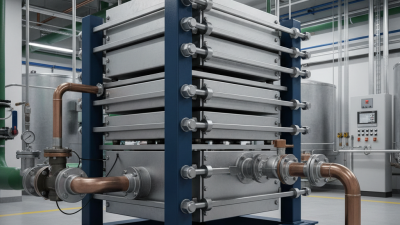
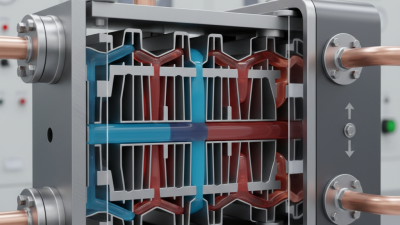
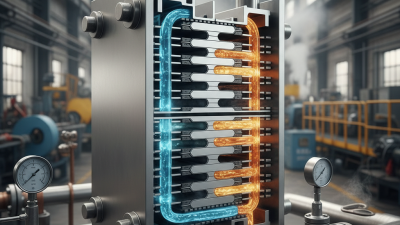
Plate heat exchangers are compact and have a high heat transfer efficiency. They use thin plates to facilitate heat exchange. This design makes them suitable for food processing and HVAC systems. They are easier to clean but may not withstand high pressure as well.
Evaluating specific application needs is crucial.
Tips: Consider the operating temperature and pressure when selecting a heat exchanger. Always consult with experts to ensure you choose the right model for your needs. Remember, proper installation is key to optimizing performance.
Applications of Heat Exchangers in Various Industries
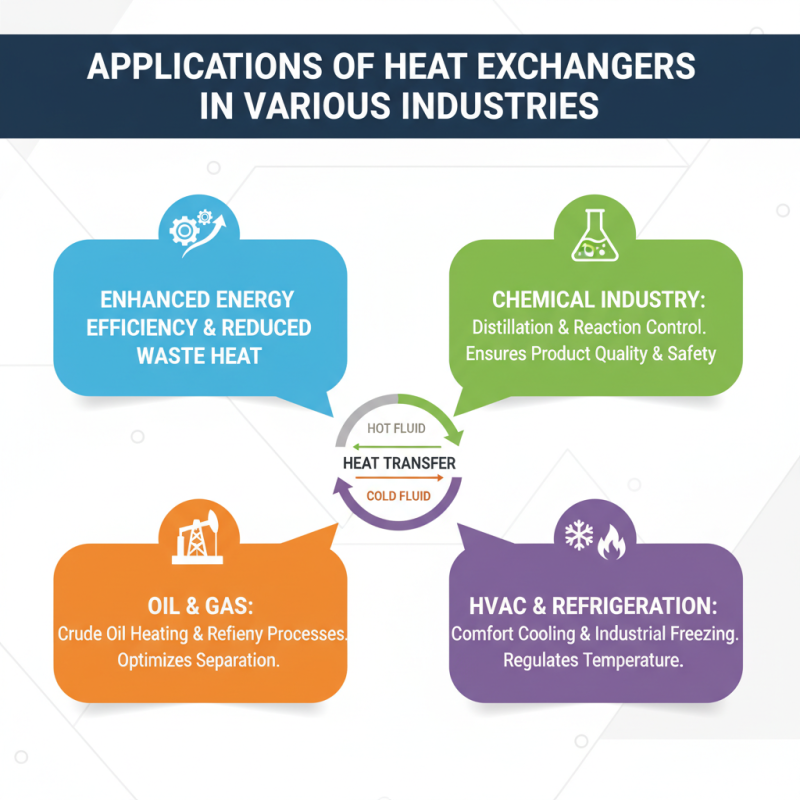
Heat exchangers play a crucial role in many industries. They facilitate the transfer of heat between two fluids. This process enhances energy efficiency and reduces waste heat. In the chemical industry, heat exchangers are vital for processes like distillation and reaction control. They maintain optimal temperatures, ensuring product quality and safety.
In the power generation sector, heat exchangers are essential for cooling systems. They help manage temperatures in turbines and boilers. A well-designed heat exchanger can significantly improve system reliability. Meanwhile, the food and beverage industry uses these systems for pasteurization and cooling. Here, precise temperature control is key to preserving flavor and safety.
Despite their importance, heat exchanger selection can be tricky. Factors such as fluid properties and operational conditions must be considered. Misjudging these can lead to inefficiencies and higher costs. Moreover, regular maintenance is necessary to avoid performance drop-off. Understanding these challenges will ensure better decision-making for future heat exchanger applications.
Factors to Consider When Choosing a Heat Exchanger
When selecting a heat exchanger, several critical factors come into play. First, the material of construction is vital. The choice hinges on the working environment and the fluid types. Stainless steel is common due to its corrosion resistance, while titanium serves well in aggressive conditions. According to the Global Heat Exchanger Market Report, 2025 forecast indicates a compound annual growth rate (CAGR) of 6.5%, highlighting the increasing importance of material selection.
Another crucial aspect is heat transfer efficiency. The design of the heat exchanger affects how effectively it transfers heat between fluids. Shell and tube designs are preferred for high-pressure applications. Meanwhile, plate heat exchangers offer enhanced surface area for better heat transfer. This trade-off between design efficiency and application requirements can influence performance outcomes significantly. Research suggests that optimizing for efficiency can improve energy savings by up to 30%.
Size and footprint also pose challenges. A compact design may save space, but it might limit performance. Buyers should evaluate their layout and operational needs. Some processes may not allow for compromised performance. Ensuring the right balance between size and efficiency can be daunting yet essential for long-term sustainability in operations.
Future Trends in Heat Exchanger Technology for 2026
As we look towards 2026, heat exchanger technology is set for significant transformations. Innovations are focusing on enhanced efficiency, sustainability, and adaptability. According to a report by MarketsandMarkets, the global heat exchanger market is projected to reach $23.98 billion by 2026. This growth highlights an increasing demand for advanced technology in various industries.
One notable trend is the rise of compact heat exchangers. These devices use less space and require less material, aligning with sustainability goals. Research shows that compact designs can improve thermal performance while reducing energy consumption by up to 30%. Moreover, the adoption of eco-friendly materials is on the rise. Companies are investing in heat exchangers made from recyclable or low-impact materials, ensuring environmental safety.
However, challenges remain. The adaptation to stringent regulations and evolving energy standards requires continuous innovation. Additionally, there are concerns about the reliability of new technologies in extreme conditions. Finding effective solutions to these challenges is essential for the industry’s future. Investing in research and development is crucial for addressing these gaps while maintaining efficiency and compliance with global standards.
2026 Top Heat Exchanger Types for Global Buyers
This chart illustrates the projected market share distribution for different types of heat exchangers in 2026. The data indicates a shift towards more energy-efficient models and increasing popularity for specific technologies.