2026 Top Gasketed Plate Heat Exchanger Buying Guide?
Choosing the right Gasketed Plate Heat Exchanger (GPHE) is crucial for various industries. These heat exchangers efficiently manage thermal energy in systems ranging from food processing to HVAC. As energy demands grow, understanding their features becomes essential.
In this buying guide, we will explore key factors that influence the selection process. Consider pressure levels, temperature limits, and the type of fluids involved. These specifics can vastly change the effectiveness of the GPHE. Each detail matters in building a reliable setup.
While many suppliers boast advanced designs, careful evaluation is necessary. Not all GPHEs meet stringent industry standards. Research and expert opinions can help you avoid costly mistakes. Take the time to reflect on what truly meets your operational needs.
Understanding Gasketed Plate Heat Exchangers: Key Components Explained
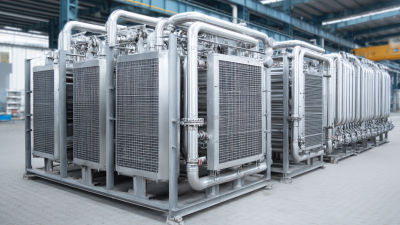
Gasketed plate heat exchangers are vital in various industries. Understanding their key components helps in selecting the right model for your needs. These units consist mainly of plates, gaskets, and a frame. Each element plays a crucial role in thermal efficiency and pressure handling.
The plates are essential for heat transfer. They feature a unique design that maximizes surface area. The gaskets, made of durable materials, prevent fluid leakage and enhance operational safety. It’s important to choose high-quality gaskets that can withstand temperature variations. The frame holds these elements together, ensuring stability under fluctuating pressures and flow rates.
Over time, the performance of your heat exchanger might decline. Regular inspections can unveil unnoticed wear and tear. Operators may sometimes overlook minor leaks, leading to significant losses in efficiency. These issues highlight the importance of maintenance and thoughtful component selection. Investing in quality components can pay off in reliability and longevity. Each part warrants careful consideration during the purchasing process.
Factors to Consider When Selecting a Gasketed Plate Heat Exchanger
When selecting a gasketed plate heat exchanger, several factors demand careful consideration. The design and configuration impact efficiency. Plate size, surface area, and flow arrangement can significantly alter performance. It's crucial to assess thermal and hydraulic requirements first. This ensures that you meet operational demands without oversizing the unit.
Material selection is another key factor. The plates can be made from various materials, each with unique properties. Stainless steel offers corrosion resistance, while titanium provides strength. These materials can influence longevity and maintenance needs. Reflect on the application conditions. What temperatures and pressures will the unit face?
Remember to analyze the gasket material too. Different applications may require specific gaskets to handle chemicals effectively. The right choice can prevent leaks and ensure reliability. An often overlooked aspect is the ease of maintenance. Determine how accessible the unit is for servicing. Regular maintenance will prolong life and enhance performance. Always consider your operational context and seek advice from knowledgeable professionals.
Types of Gasket Materials and Their Impact on Performance
The choice of gasket materials in a gasketed plate heat exchanger significantly influences its performance. Common materials include rubber, PTFE, and elastomers. Each type offers distinct advantages and thermal properties. According to a 2022 industry study, rubber gaskets typically handle temperatures up to 180°C while PTFE can withstand higher temperatures, making it suitable for more demanding applications.
In selecting gasket materials, consider their chemical compatibility with working fluids. For example, rubber may degrade in aggressive environments, which can lead to leakage or inefficient heat transfer. A report published by the Heat Exchange Society indicates that improper gasket selection can reduce efficiency by 15-20%. Moreover, thickness and design impact sealing effectiveness. Even minor imperfections can introduce challenges in sealing, ultimately affecting overall performance.
Understanding the nuances of gasket materials is crucial for achieving optimal performance in heat exchangers. Evaluating thermal conductivity, elasticity, and durability can aid in selecting the right gasket. As processes evolve, organizations must continuously assess their gasket materials to prevent unexpected failures. In the world of heat exchangers, meticulous attention to detail in gasket choices can make a notable difference in operational integrity.
Maintenance Tips for Maximizing the Lifespan of Your Heat Exchanger
When it comes to gasketed plate heat exchangers, maintenance is crucial for ensuring longevity and efficiency. Industry reports indicate that proper maintenance can extend the lifespan of these systems by up to 40%. Regular inspection and servicing not only prevent breakdowns but also optimize performance, saving costs in the long run.
To maximize efficiency, start with routine cleaning. Deposits can accumulate on the plates, impacting heat transfer rates. A biannual cleaning schedule is recommended. Inspecting gaskets for wear is another essential task. A damaged gasket can lead to leaks and loss of efficiency. Regular replacement of gaskets, based on the manufacturer's guidelines, contributes significantly to the longevity of the unit.
Monitor operating conditions closely. Excessive pressure or temperature can shorten the life of your heat exchanger. Industry studies suggest that keeping operating parameters within specified limits enhances reliability and minimizes wear. Consider implementing temperature monitoring systems for real-time data. This proactive approach can preempt issues before they escalate, preserving the integrity of your system and ensuring continuous operation.
Top Brands and Models in the Gasketed Plate Heat Exchanger Market
When selecting a gasketed plate heat exchanger, it's essential to consider the market's leading brands and models. The gasketed design allows for efficient heat transfer and easy maintenance. These units are often compact, making them suitable for various applications in industries like food processing, pharmaceuticals, and HVAC. It's beneficial to examine the materials used in construction, as they influence both durability and efficiency.
Several brands dominate the gasketed plate heat exchanger market. They offer various sizes and configurations to meet different operational demands. Look for models with high thermal performance and flexibility in terms of plate patterns. Pay attention to ease of gaskets replacement, as this impacts maintenance. Some models may require specialized tools, which could complicate service.
In the selection process, remember to assess energy efficiency ratings. These ratings can significantly affect operational costs. Consider the long-term investment instead of just the initial purchase price. Reading customer reviews can provide valuable insights into reliability and performance. Being informed helps you make a choice that aligns with your specific needs.
2026 Top Gasketed Plate Heat Exchanger Buying Guide
| Model |
Heat Transfer Area (m²) |
Max Pressure (Bar) |
Max Temperature (°C) |
Material |
Efficiency Rating |
| Model A |
50 |
10 |
150 |
Stainless Steel |
89% |
| Model B |
75 |
12 |
180 |
Titanium |
92% |
| Model C |
100 |
15 |
200 |
Carbon Steel |
85% |
| Model D |
120 |
18 |
220 |
Aluminium |
90% |
| Model E |
80 |
14 |
175 |
Polymer |
88% |