2026 Best Brazed Plate Heat Exchanger for Efficient Cooling Solutions?
Efficient cooling solutions are vital for many industries today. Brazed Plate Heat Exchanger (BPHE) technology has emerged as a key player. It offers enhanced thermal performance with reduced footprint. According to recent market reports, the demand for BPHEs is expected to grow significantly. This is driven by industrial applications and energy savings requirements.
The efficiency of BPHEs can reach up to 90% compared to traditional heat exchangers. Moreover, their compact design makes them ideal for space-constrained systems. A study noted that BPHEs can reduce energy consumption by as much as 30%. However, while they provide impressive benefits, they are not without limitations. Issues with maintenance and potential corrosion must be addressed.
In the context of evolving regulations and sustainability goals, companies must consider the right solutions. Investing in high-quality Brazed Plate Heat Exchangers could enhance operational efficiency. Yet, organizations should reflect on their unique needs and potential challenges. Continuous innovation and careful selection of materials are essential for optimal performance.

Overview of Brazed Plate Heat Exchangers and Their Applications
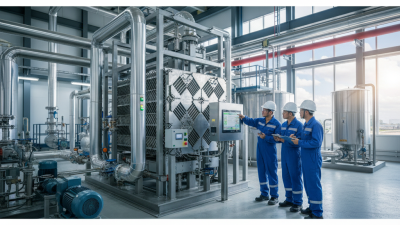
Brazed plate heat exchangers are vital in various cooling applications. They efficiently transfer heat between two fluids. Their compact size makes them ideal for space-constrained environments. They are widely used in HVAC systems, industrial cooling, and food processing. The efficiency of these devices can significantly reduce energy costs.
Tips: When selecting a brazed plate heat exchanger, consider the specific fluid types involved. This can influence the materials best suited for your application. A mismatch can lead to corrosion or reduced efficiency.
These heat exchangers work by using thin plates stacked together. The design promotes turbulence, which enhances heat transfer. However, improper maintenance can lead to fouling. Regular cleaning is essential to maintain efficiency. Monitoring the system can prevent major failures and costly repairs.
Tips: Use pressure gauges to monitor the performance of your heat exchanger. This simple step can help detect issues early. Additionally, always follow the manufacturer’s guidelines for installation and maintenance. Taking these precautions can extend the lifespan of your equipment significantly.
Key Features and Advantages of Brazed Plate Heat Exchangers
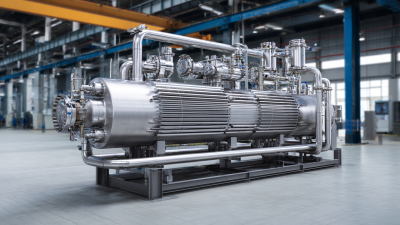
Brazed plate heat exchangers are gaining attention for their efficiency in cooling solutions. These compact devices excel in various applications, including HVAC and industrial processes. The key feature of brazed plate heat exchangers is their high thermal efficiency. They use a series of thin plates, which enhances heat transfer while minimizing space.
One significant advantage is their durability. They are typically made from stainless steel, which resists corrosion. This longevity means fewer replacements and lower operational costs over time. Their design also allows for a compact layout, saving valuable floor space in crowded facilities.
Tip: Always consider the specific application when selecting a heat exchanger. Efficiency varies by design and use case.
Another aspect worth noting is the
ease of installation. These heat exchangers can be integrated into existing systems with minimal modifications. However, improper installation may lead to inefficiency.
Tip: Regular maintenance is crucial. Check for signs of wear and ensure optimal performance. This practice can prevent costly failures.
Top Brands and Models for 2026 Brazed Plate Heat Exchangers
When searching for the best brazed plate heat exchangers in 2026, focus on efficiency and durability. These devices are crucial for various cooling solutions. Their compact design and high performance make them a top choice for many applications. However, not all models are created equal.
Several brands stand out. They offer advanced technology that enhances heat transfer rates. Observing customer reviews can help identify the best options. Are users satisfied with their cooling performance? Do they mention durability? These aspects are key for long-term reliability. Sometimes, even reputable models face flaws. Users should weigh these details carefully.
Investing in a brazed plate heat exchanger is significant. Consider factors like material quality and maintenance needs. Higher initial costs might lead to greater savings in energy. It is essential to assess your specific requirements before making a purchase. Thorough research is necessary to avoid common pitfalls.
2026 Best Brazed Plate Heat Exchanger Performance Comparison
Comparative Analysis: Brazed Plate vs. Traditional Heat Exchangers
Brazed plate heat exchangers (BPHEs) have gained popularity in various industries. They offer compact designs and high thermal efficiency. The flow channels are tightly compressed, allowing for effective heat transfer. They are ideal for applications where space is limited. However, their resilience under pressure can vary.
Traditional heat exchangers often use large surfaces and various materials. They may not perform as efficiently in small environments. Their size can lead to more extensive installation requirements. Maintenance can be easier, but the energy loss can be higher. This contrast raises questions about efficiency in different contexts.
When comparing Brazed plate and traditional systems, factors such as installation time, efficiency, and maintenance costs must be considered. Brazed plates require precise manufacturing, which can lead to initial cost concerns. Traditional systems may offer simplicity, but they often fall short in energy savings. Reflecting on these differences is essential for making informed decisions.
2026 Best Brazed Plate Heat Exchanger for Efficient Cooling Solutions
| Heat Exchanger Type |
Efficiency (%) |
Size (mm) |
Weight (kg) |
Cost ($) |
| Brazed Plate |
92 |
250 x 150 |
10 |
800 |
| Traditional Plate |
85 |
400 x 300 |
25 |
600 |
| Shell and Tube |
80 |
500 x 400 |
35 |
1000 |
| Brazed Plate 2 |
95 |
300 x 200 |
12 |
850 |
| Plate Frame |
90 |
450 x 350 |
20 |
700 |
Factors to Consider When Selecting a Brazed Plate Heat Exchanger
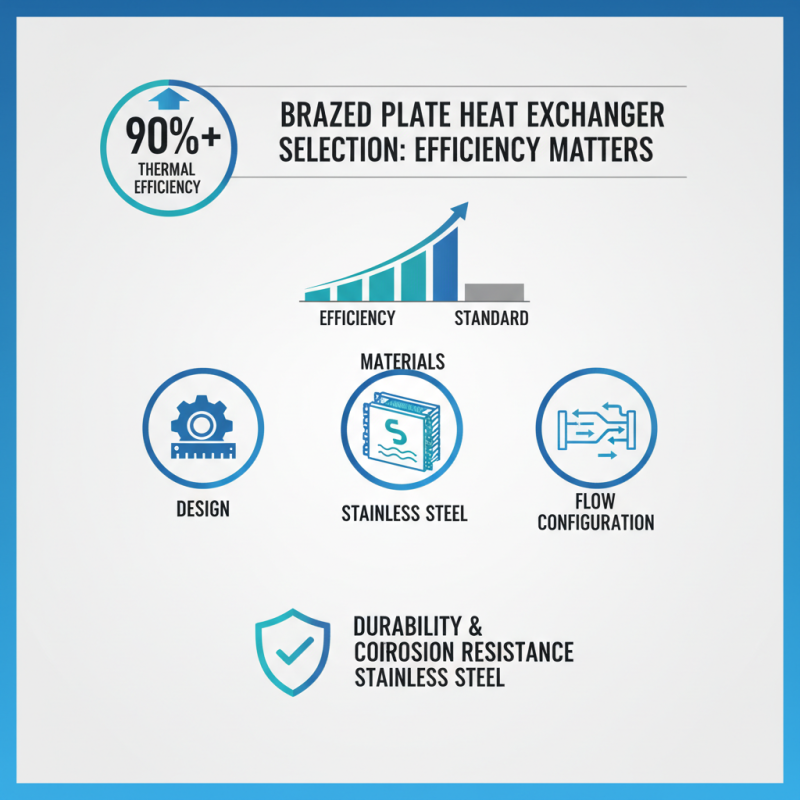
When selecting a brazed plate heat exchanger, efficiency is paramount. Studies show that these units can achieve thermal efficiencies above 90%. However, not all models perform the same. The design, materials used, and flow configurations greatly impact efficiency. Look for options made from stainless steel, as it enhances durability and corrosion resistance.
Another critical factor is the flow rate. According to industry reports, mismatched flow rates can result in significant energy losses. Adjustments need to be made based on the specific application to ensure optimal performance. Ideally, the system should allow for easy adaptability. Customization features can be beneficial, adapting to changing cooling demands.
Pay attention to maintenance requirements as well. Simplified maintenance procedures lead to reduced downtime. Neglect can cause efficiency drops. Unfortunately, some models might lead to increased operational costs over time. Thus, a thorough assessment of long-term implications is essential before making a final decision.